

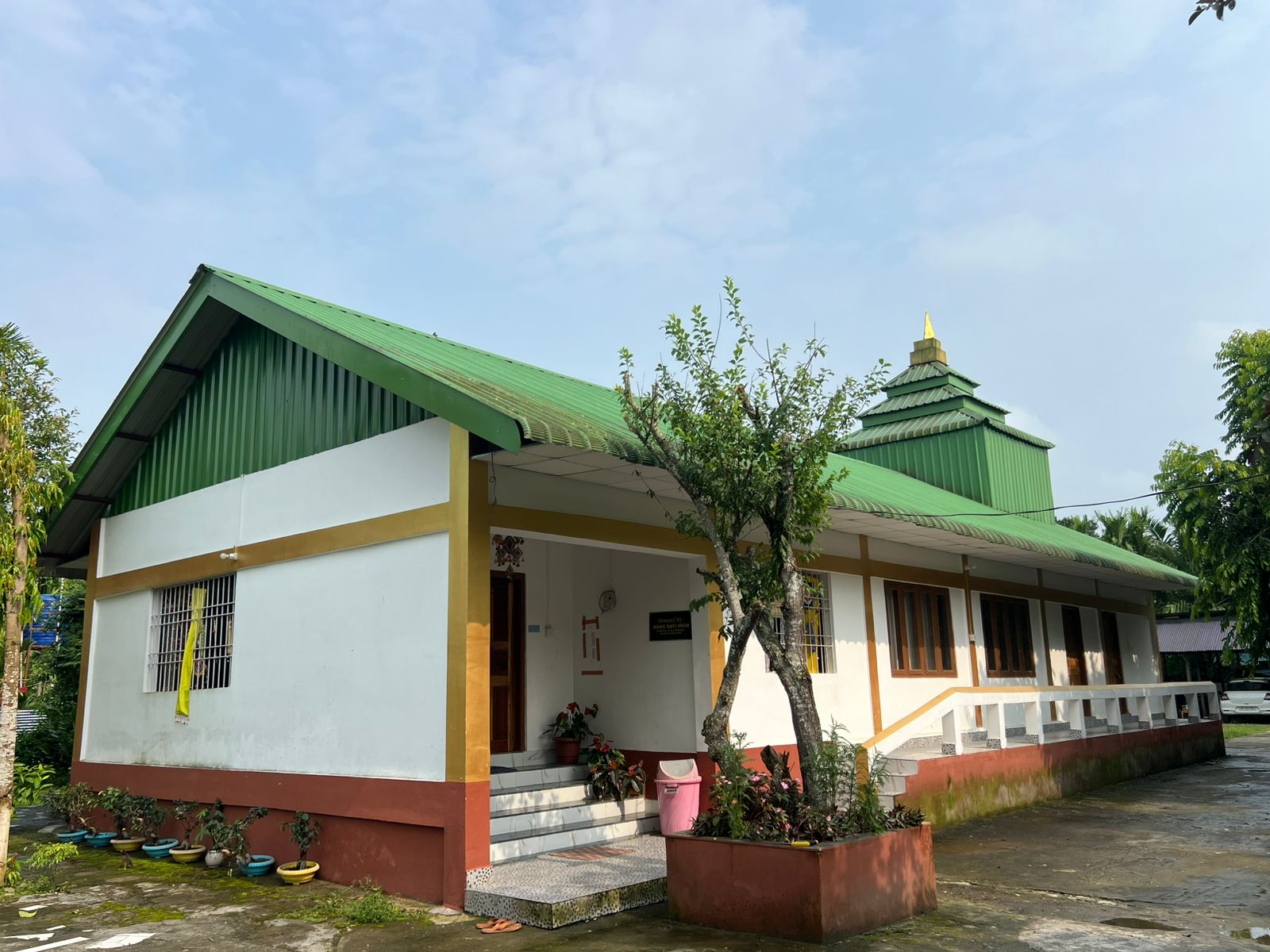
Nirbana Educational Trust is a registered educational and charitable trust based in Namsai District, Arunachal Pradesh, India since 2015. Rooted in the Theravada Buddhist tradition, the Trust operates through a monastery in Kunsung village, that serves as a centre for learning, community support, and spiritual guidance.
The Trust is led by Chief Monk Nirbana, a teacher and practicing astrologer who is widely known across Arunachal Pradesh for his astrological consultations and mentorship. People from different parts of the state regularly visit the monastery to seek guidance and learn from his experience.
Alongside its spiritual work, the Trust is committed to supporting children from disadvantaged backgrounds, providing community-based counselling in social, economic and cultural development, and running several occasional and specific programmes relevant to the community timely.
One of the main focuses of the monastery is to provide care, education, and a nurturing environment for orphaned children and underprivileged groups. We also provide support for local children from nearby communities.
Through its educational, social, and cultural activities, Nirbana Educational Trust aims to preserve traditional knowledge, support community welfare, and create opportunities for learning and personal development.
About Kungsung Monastery
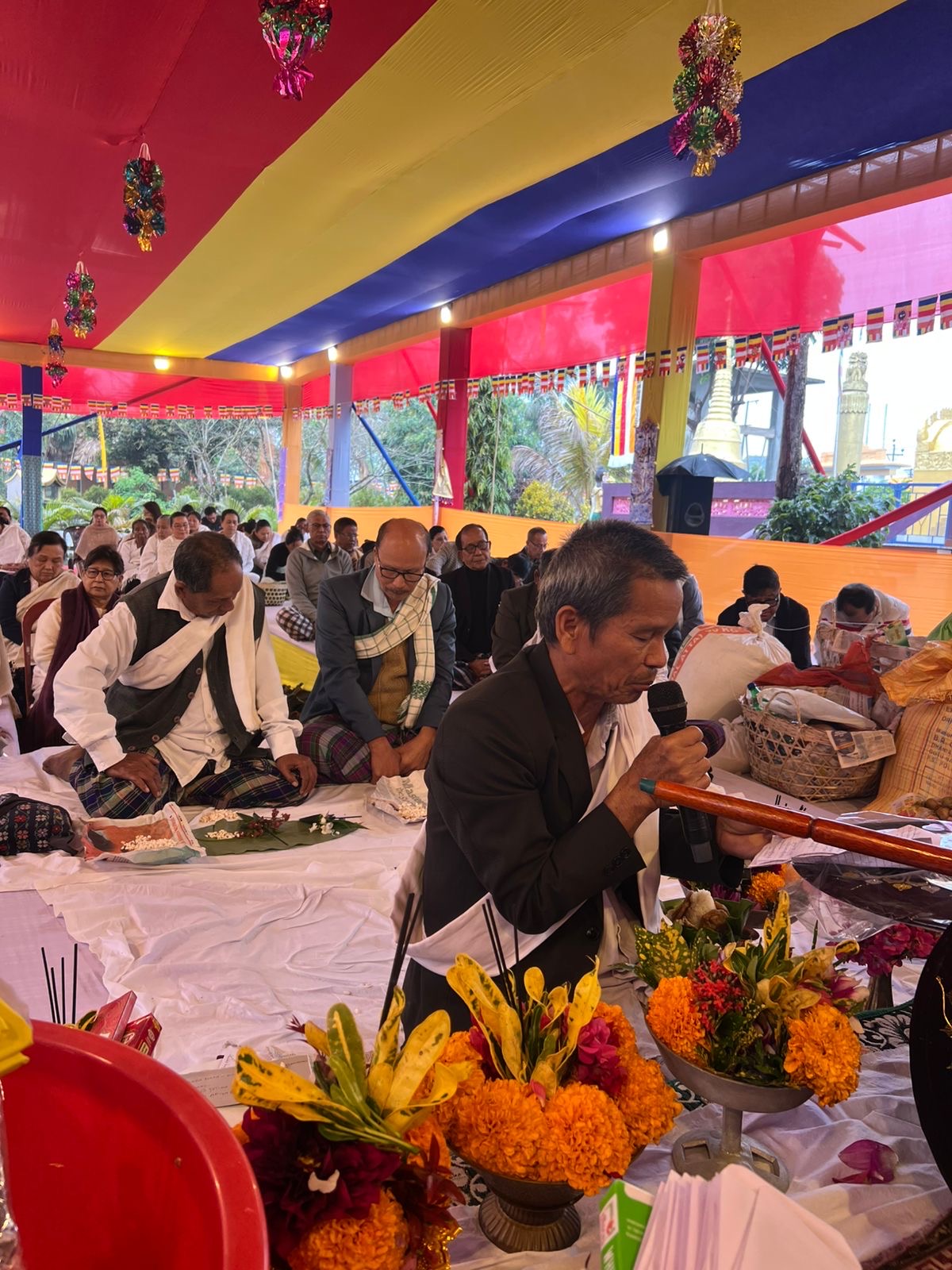
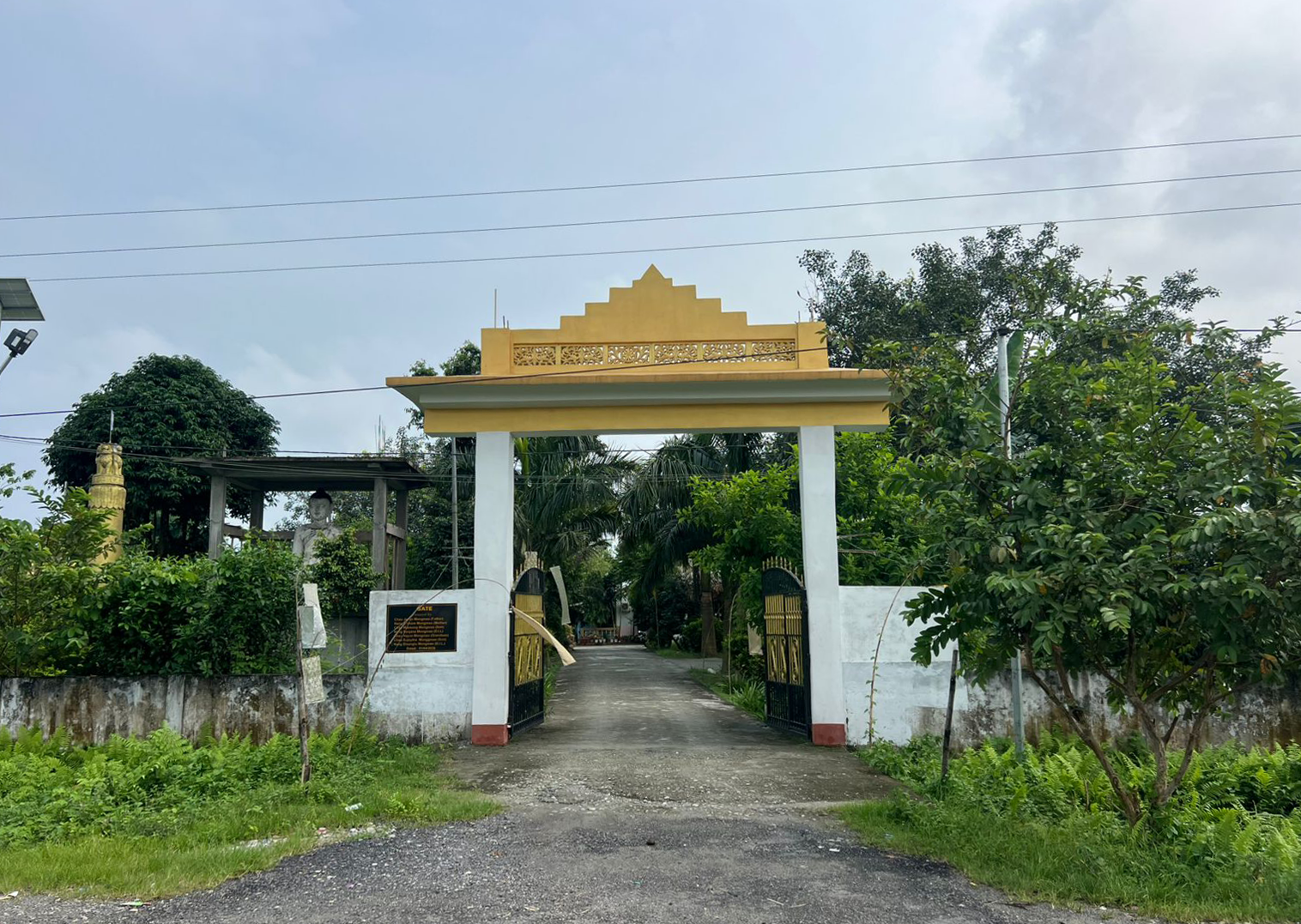
Kungsung Monastery is rooted in Theravada Buddhist tradition, and located in Kungsung Village under the Namsai District administration of Arunachal Pradesh, India. The monastery is situated in a small, quiet, and serene rural settlement approximately 3 km from the main township of Namsai District, along the National Highway 52 (NH-52). As the highway serves as a major arterial route for travel and transportation, Kungsung Monastery remains one of the most accessible monasteries for travellers, devotees, and worshippers visiting the region.
According to administrative records, Kungsung village falls under Census Code 266541 and has a population of over 300 residents spread across more than 60 households, with a sex ratio of 834.48.
The communities residing in the vicinity of Kungsung Monastery primarily belong to the Tai-Khamti, Tai-Khamyang, Tai-Ahom, and Singpho tribes. The monastery serves as an important centre for spiritual education, religious learning, and ritual practices for these communities. Like said, it is also a well known destination among the people of Arunachal Pradesh for the horoscope and astrology services offered by Chief Monk Nirbana.
The nearest police station and major administrative facilities are located in Namsai Township. However, the village has access to primary educational institutions and healthcare services, ensuring that residents benefit from essential welfare and public services.
The Kungsung Monastery campus is spread across approximately 25,000 square feet of land. The premises include:
1. A 100-seater Prayer Hall.
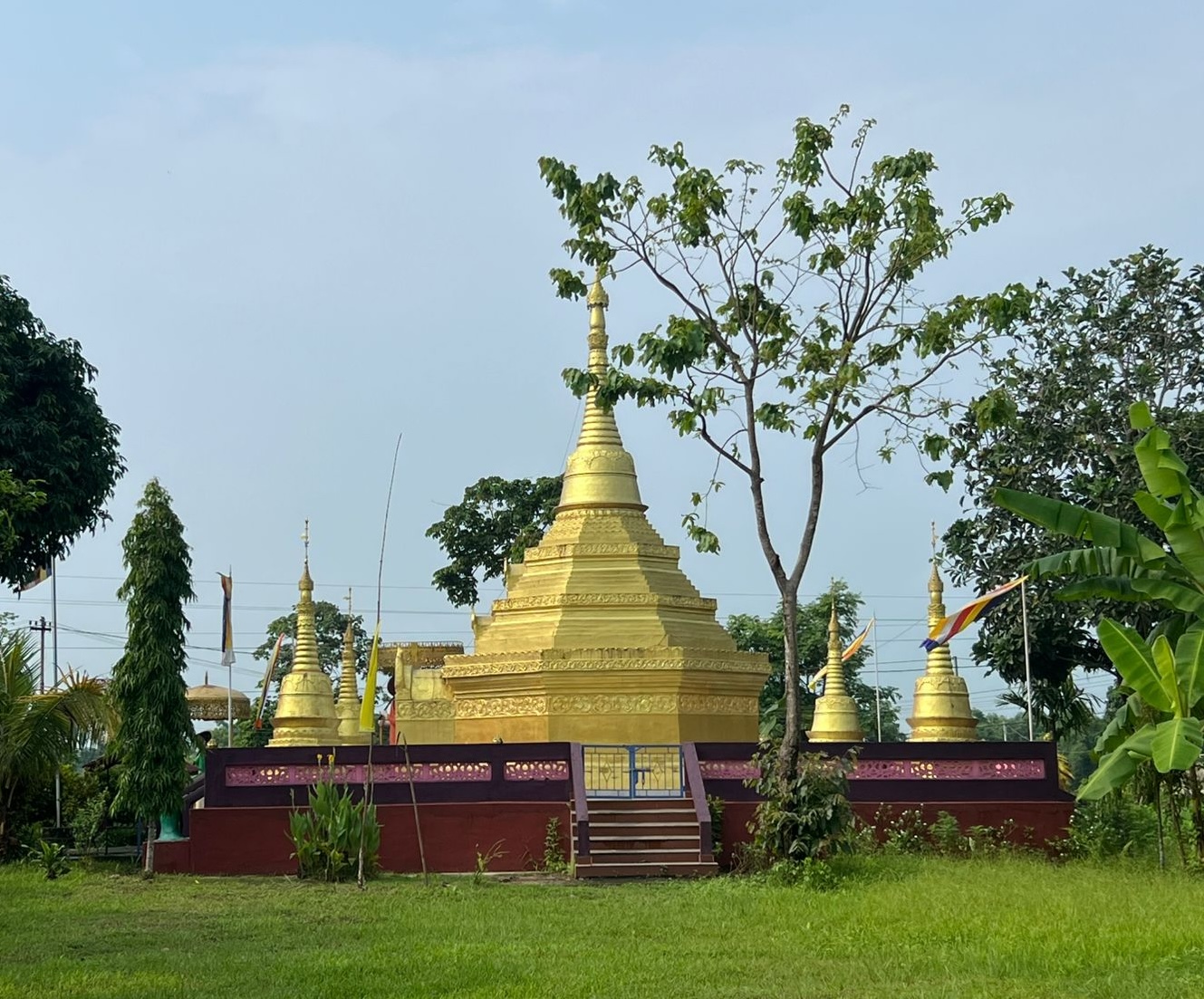
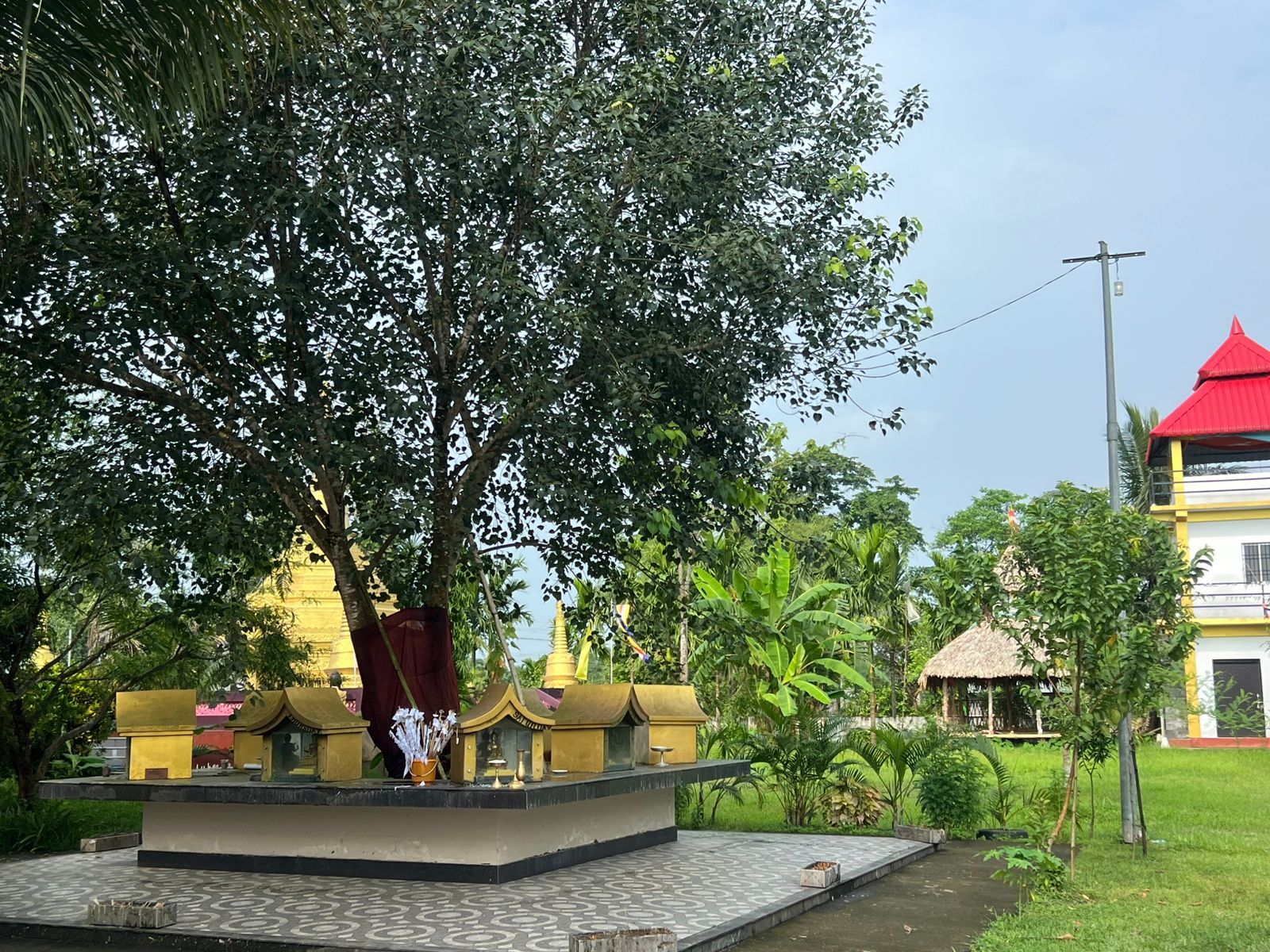
2. A Kongmu (Stupa) built over 800 sq. ft.
3. A Lord Buddha Idol structure built over 150 sq. ft.
4. A Bodhi Tree Prayer Space built over 900 sq. ft.
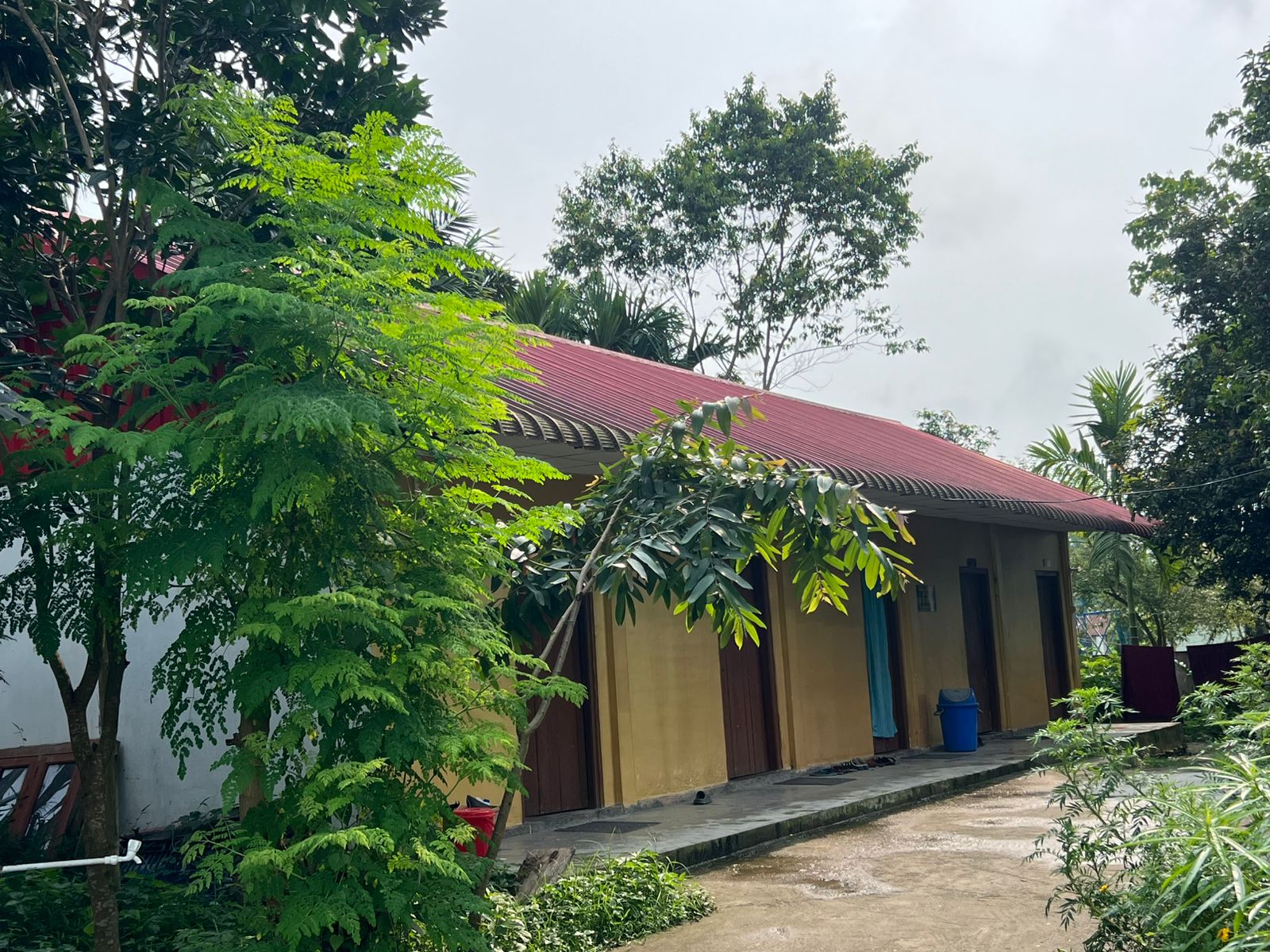
5. A three-room Monks’ Cottage cum Dining Hall.
6. A 12-bed hostel for resident novices and monks.
Currently, Chief Monk Nirbana is constructing a 15-bed guest accommodation facility within the monastery campus. Designed as a homestay and retreat centre, the facility aims to welcome scholars, spiritual seekers, visitors, and occasional tourists who wish to spend time at the monastery to document and learn the locale’s rituals and spirituality practices, and engage with the local community.
As a remote and close-knit rural settlement, Kungsung Village remains largely untouched by commercial tourism. Through the development of these guest rooms and homestay facilities, Kungsung Monastery via the Nirbana Educational Trust hopes to offer visitors an authentic experience of the foothills of Arunachal Pradesh. This initiative by Nirbana Educational Trust seeks to promote responsible and community-friendly tourism while creating opportunities for visitors to learn astrology, experience spiritual practices, and engage with the local culture and traditions of the region.
History of Kungsung Monastery
The land on which Kungsung Monastery now stands was privately owned by Late Venerable Chau Mahali Manhout, a monk who carried a long-standing aspiration to establish a monastery and place of worship for the community. However, due to prolonged illness, advancing age, with no family-ties and no financial resources, he was unable to realize this vision during his lifetime. He passed away in 2011.
During his lifetime, Late Venerable Chau Mahali Manhout approached his close relative, Nang Soieng Manpoong, in the early 2000s and entrusted her with the responsibility of carrying forward his vision after his passing. He expressed his wish that the land be developed into a monastery that would serve future generations after his demise.
Kungsung Monastery eventually received government sanction around 2005–06 through the intervention of local administrative support led by an elected MLA. The sanctioned funds were intended for the construction of a prayer hall that would serve as a centre for religious ceremonies, spiritual gatherings, and ritual services.
In 2007, Nang Soieng Manpoong, through her personal contributions, constructed an initial three-room monks’ cottage. The cottage was built to provide comfort and care to Late Venerable Chau Mahali Manhout during his final years and to accommodate his two disciples at the time. The facility also served as a space for visitors who came to offer prayers, seek blessings, and participate in religious activities.
This initiative donated by Nang Soieng Manpoong encouraged many individuals and neighbouring communities in Kungsung Village to pay homage to Late Venerable Chau Mahali Manhout and support the growing vision of the monastery.
Meanwhile, construction of the prayer hall progressed gradually through administrative support, and by 2010, Kungsung Village had established its first monastery prayer hall for community worship and spiritual activities.
At the same time, Nang Soieng Manpoong continued to support the development of the monastery premises through her personal resources by constructing a Kongmu (Stupa). The structure was completed in 2012 and was followed by a grand ceremonial celebration and ritual donation programme attended by members of the local community and across devotees from Namsai District.
Following the passing of Late Venerable Chau Mahali Manhout in 2011, the monastery remained without regular monastic services for approximately three to four years. It was during this period that Nang Soieng Manpoong requested Nirbana Bhante to take charge as the principal caretaker of the monastery.
Under his leadership, the monastery gradually regained its presence within the community. Within a few years, Nirbana Bhante became widely respected for his service to local communities, his commitment to spiritual guidance, and his expertise in astrology and horoscope consultations. His contributions helped increase the visibility and popularity of Kungsung Monastery across the region, eventually leading to his recognition and coronation as the Chief Monk of Kungsung Village.
In 2015, Chief Monk Nirbana established the Nirbana Educational Trust to expand the monastery’s educational, social, and spiritual initiatives. Through the Trust, he sought to make these services more accessible to communities across Arunachal Pradesh, other parts of India, and eventually to people from around the world.
The Core Members
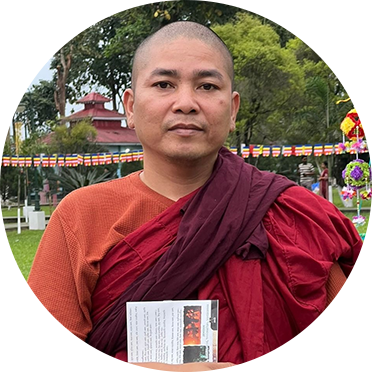
Nirbana Bhande
Chief Monk

Chau Pushu Pungkhung
Kungsung Village Chief
Patrons
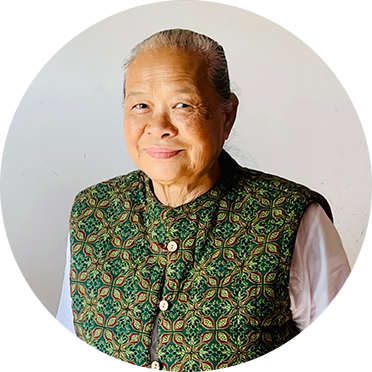
Nang Soieng Manpoong
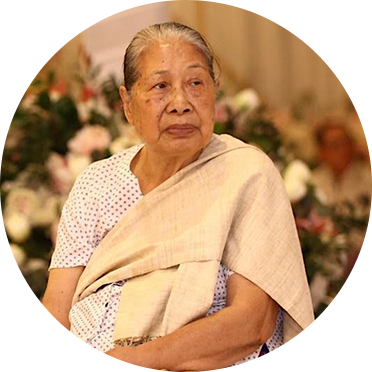
(Late) Dr. Chama Manpoong
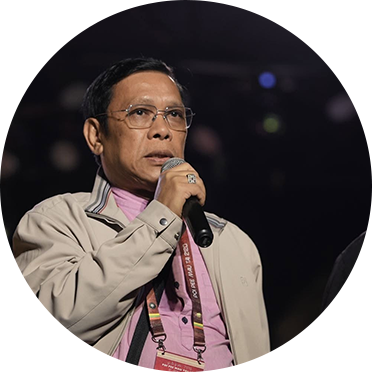
Chau Siharaja Choutang
Nang Sumiktha Mein